Feb 1, 2026

The Hejaz Railway

The Iraq-Türkiye Development Road


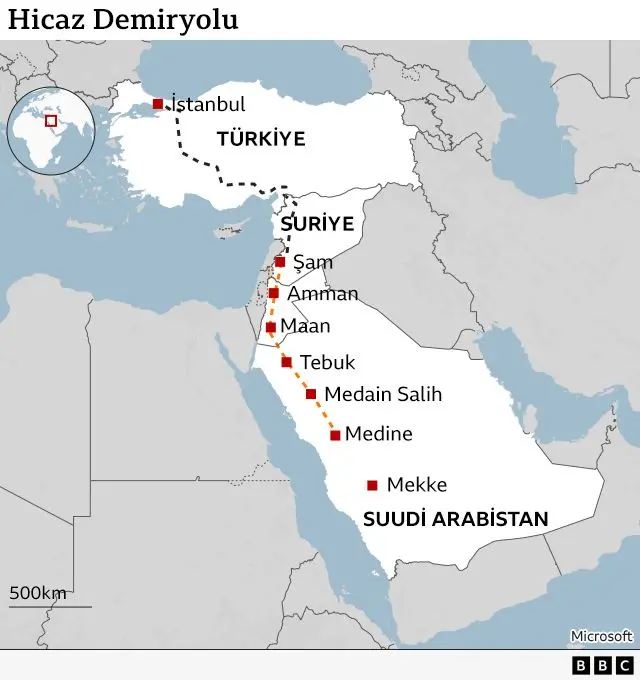
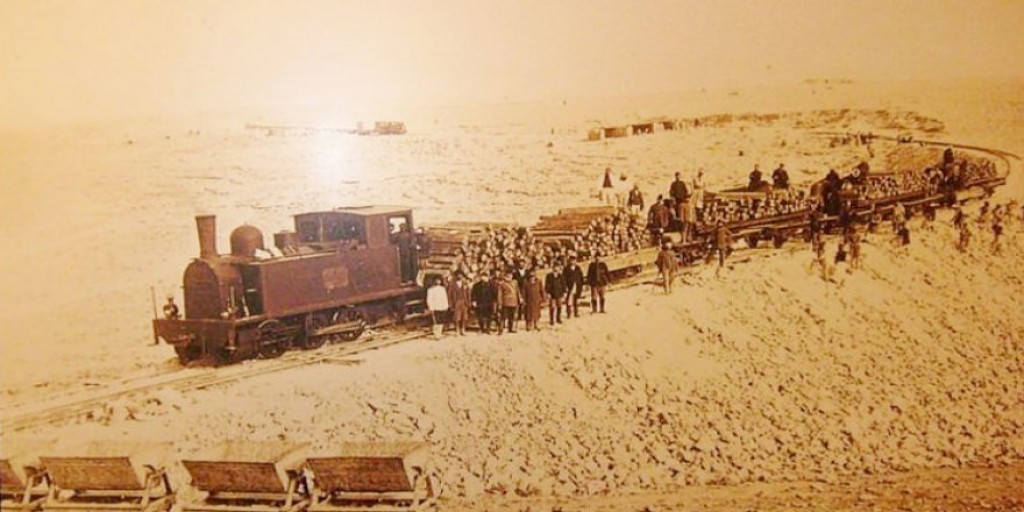
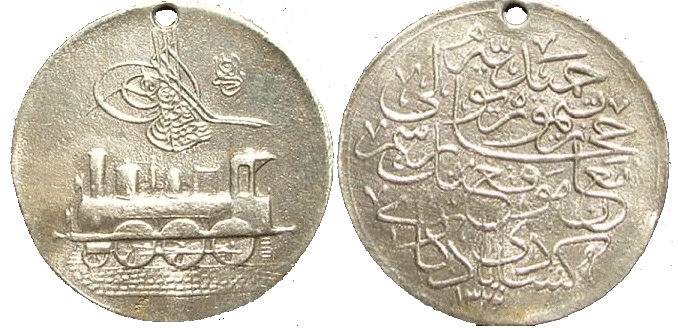
The Hejaz Railway was one of the most ambitious engineering projects of the early 20th century, designed to modernize travel within the Ottoman Empire.

Overview

  • Purpose: Built between 1900 and 1908, it was primarily intended to transport pilgrims from Damascus to Medina for the Hajj, replacing a grueling 40-day camel trek with a 3-day train journey.

  • Strategic Value: It allowed the Ottoman Sultan, Abdul Hamid II, to strengthen political and military control over the distant Arabian provinces.


  • Funding: Uniquely, the project was funded entirely by donations from the Muslim world to avoid high-interest loans from European powers, earning it the nickname "The Islamic Railway."


Key Features

  • Distance: The main line stretched approximately 1,300 kilometers (800 miles).

  • Engineering: It utilized a narrow gauge (1,050 mm) and faced extreme challenges, including blistering desert heat, lack of water, and frequent attacks by local tribes who saw the railway as a threat to their camel-caravan economy.


  • Military History: During World War I, the railway became a primary target for the Arab Revolt. It was famously and repeatedly sabotaged by T.E. Lawrence ("Lawrence of Arabia") and Allied-backed forces to cut off Ottoman supply lines.


Current Status

The line was never fully restored after WWI. Today, while sections in Jordan and Syria have seen sporadic use over the decades, much of the track in Saudi Arabia lies in ruins—serving as a hauntingly beautiful open-air museum of rusted locomotives and abandoned stations.


The Hejaz Railway was one of the most ambitious engineering projects of the early 20th century, designed to modernize travel within the Ottoman Empire.

Overview

  • Purpose: Built between 1900 and 1908, it was primarily intended to transport pilgrims from Damascus to Medina for the Hajj, replacing a grueling 40-day camel trek with a 3-day train journey.

  • Strategic Value: It allowed the Ottoman Sultan, Abdul Hamid II, to strengthen political and military control over the distant Arabian provinces.


  • Funding: Uniquely, the project was funded entirely by donations from the Muslim world to avoid high-interest loans from European powers, earning it the nickname "The Islamic Railway."


Key Features

  • Distance: The main line stretched approximately 1,300 kilometers (800 miles).

  • Engineering: It utilized a narrow gauge (1,050 mm) and faced extreme challenges, including blistering desert heat, lack of water, and frequent attacks by local tribes who saw the railway as a threat to their camel-caravan economy.


  • Military History: During World War I, the railway became a primary target for the Arab Revolt. It was famously and repeatedly sabotaged by T.E. Lawrence ("Lawrence of Arabia") and Allied-backed forces to cut off Ottoman supply lines.


Current Status

The line was never fully restored after WWI. Today, while sections in Jordan and Syria have seen sporadic use over the decades, much of the track in Saudi Arabia lies in ruins—serving as a hauntingly beautiful open-air museum of rusted locomotives and abandoned stations.